

Getting Started with Mafia Games
Learn the basic rules of mafia, how roles work, and why this game’s become so popular with social game clubs across Ireland.
Read MoreHow these interactive dinner events work, what character roles involve, and how to make the most of your evening without needing professional acting skills.
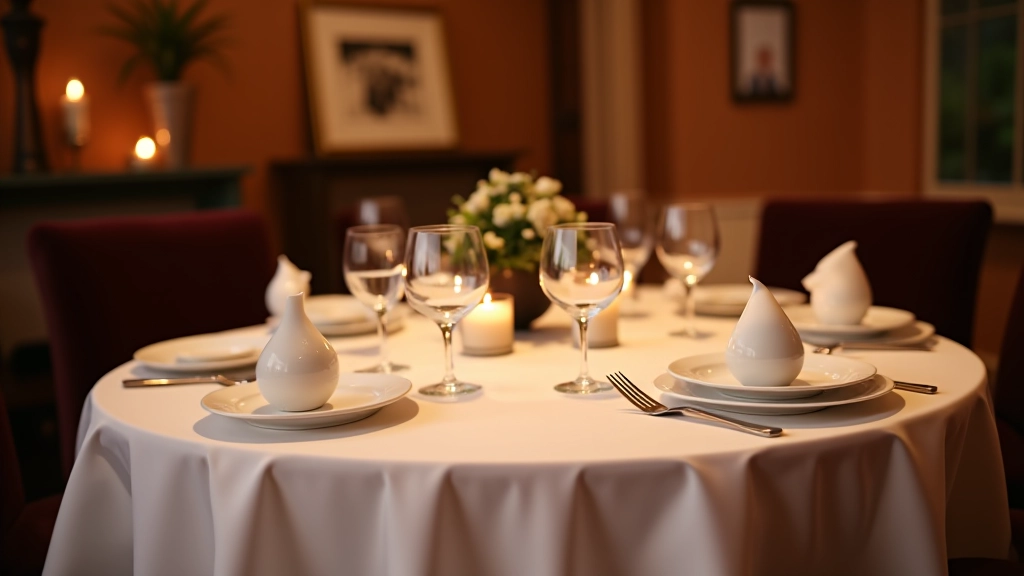
You’ll arrive at a restaurant or venue dressed for the occasion. There’s a theme — perhaps a 1920s speakeasy, a Victorian mansion, or a glamorous art heist. You’re given a character card with your role, background, and secret objectives. You’re not performing on stage. It’s more like… you’re part of an interactive story that unfolds over three hours.
Throughout the evening, clues get revealed between courses. You’ll chat with other guests playing different roles. Some folks will act innocent, some guilty — that’s the point. By dessert, you’re all working together (or competing) to solve who committed the fictional crime. It’s part dinner party, part detective game, part improv theatre.
The beauty of it? You don’t need to be an actor. You’re just being someone different for an evening. Most people find it’s less intimidating than they’d expect and more fun than they anticipated.

Every player gets a unique character with motivations and secrets.
You’ve got a clear motive and everyone knows it. Maybe the victim wronged you. You’ll spend the evening convincing people you didn’t actually do it — or letting them think what they want. It’s actually quite fun playing against expectations.
You witnessed something crucial but don’t realize its importance. You’re gathering information while trying to figure out what you actually saw. These roles often crack the case wide open in the final round.
You’re investigating the crime, asking questions, and steering the conversation. Doesn’t require acting — just curiosity and the ability to listen. You’ll guide the investigation forward naturally.
You actually committed the crime but nobody suspects you. You’re the trickiest role — you’ve got to maintain an innocent facade while potentially throwing suspicion on others. It’s clever and strategic more than theatrical.
Most murder mystery dinners follow a similar arc. You’ll arrive early — maybe 6:30 PM — and get briefed on your character. Spend 15 minutes reading your card, understanding your background, your secrets, and your objectives. You’re not memorizing lines. You’re just getting context.
Then comes the “crime” — usually a theatrical moment. Someone might collapse dramatically. A dramatic announcement gets made. The game begins. You’ve now got clues to find, conversations to have, and suspicions to navigate.
Between courses, more information arrives. Maybe a “detective” asks you direct questions. Perhaps someone reveals they’ve been lying the whole time. Accusations fly. People defend themselves. It’s genuinely unpredictable — you don’t know what other players will do or claim.
By 10 PM, there’s usually a final accusation round. People vote on who they think committed the crime. Someone wins (if it’s a competitive event) or everyone just laughs about how spectacularly wrong they all were. Either way, you’ve spent three hours thoroughly entertained.

These practical tips will help you enjoy the evening fully.
Don’t be shy about chatting with other guests. Ask them questions. Tell them things about your character. The more you engage, the richer the experience becomes. You’re building a narrative together.
Listen carefully during clue reveals. Jot down what you hear. Small details matter — a casual comment from someone might be the crucial piece you need later. Treat it like you’re actually investigating something.
You don’t need an accent or dramatic gestures. Just answer questions as your character would. If you’re suspicious, say so. If you’re innocent, say that too. Authenticity matters more than performance.
Even if the game frames it as competitive, it’s usually more fun when everyone’s actually trying to solve it together. Share observations. Build theories. Let the mystery unfold naturally rather than trying to “win” at all costs.
You’re getting a three-course meal as part of this. It’s not just a game with food attached — the food’s genuinely good at most venues. Pace yourself and actually taste what you’re eating between clue rounds.
Check the theme beforehand and wear something fitting. You don’t need a costume — just something that fits the era or vibe. It makes the whole evening feel more immersive and actually helps you get into your character’s mindset.
There’s a common misconception that you’re essentially performing improv theatre in front of an audience. You’re not. You’re one participant among 8-12 others, all equally uncertain about what’ll happen next. Nobody’s watching you — everyone’s focused on the game itself.
Another worry: “What if I’m not good at acting?” You won’t need to be. Most successful mystery dinners rely on normal conversation and logical thinking, not theatrical talent. The best players are often the ones who just answer questions honestly from their character’s perspective.
People also assume these events are chaotic or awkward. They can be — that’s part of the fun. But there’s actually a structure. The facilitator keeps things moving. Awkward silences don’t happen because there’s always another clue or question coming. It’s designed to keep engagement high.
Finally, folks worry they’ll feel excluded if they’re quiet or don’t know anyone. Actually, the game creates natural conversation openings. You’re supposed to interrogate people. Even quiet people get pulled into the action naturally because other players need information from them.
Murder mystery dinners come in different formats depending on the organizer.
A restaurant hosts the event monthly or quarterly. You book a table, show up, and participate with other guests you don’t know. These tend to be casual and social. The restaurant provides the meal and a basic game structure. Most common format in Ireland for this age group.
You book a murder mystery game specifically for your friend group or organisation. A professional facilitator comes to your location or you go to theirs. More flexible, higher production quality usually, and everyone knows everyone beforehand. Better if you want a custom theme.
These are more elaborate. Professional actors play some roles. More theatrical staging. Higher ticket price. The experience is more curated and polished. You’re more of a participant-observer than in casual formats. Growing in Dublin and larger cities.
Some organisations now run these online or in a hybrid format. You’re at home with a drink and dinner you’ve prepared. Facilitator guides the game via video call. Less immersive but more accessible and often more affordable. Good if you’re hesitant about trying it in person first.
Restaurant-hosted events usually run 35-60 per person including the meal. Private group events depend entirely on group size and complexity — might be 20-40 per person if you’re organising for 10+ people. Immersive theatre productions cost more, typically 50-100+ per ticket. Always check what’s included — some venues charge separately for food and the game.
You’re assigned a character role, so you’re technically part of the game. That said, some roles are less demanding than others. Talk to the organiser beforehand if you prefer a quieter character. They can usually accommodate that. But honestly, most people find they enjoy participating more than they expected once the game starts.
Typically 2.5 to 3.5 hours from start to finish. Includes your arrival, character briefing, the game itself across three courses, and the final accusation round. Most venues recommend arriving 15 minutes early. Plan on being there for a full evening — don’t book anything afterward.
Absolutely not. That’s actually the appeal for many people. You’re meeting new people through the game itself. The mystery gives you built-in conversation topics. Some of the best murder mystery dinners happen when you don’t know anyone because the game forces genuine interaction.
The facilitator will help. They’re used to people misunderstanding things or forgetting details. You can ask for clarification without breaking the game. It’s not like a theatrical performance where you have to be perfect. Everyone’s just trying to have fun and solve the mystery together.
You’ll find mixed ages at most events. The 40-60 demographic is just particularly well-represented in Ireland’s social game clubs. Younger people and older people participate too. What matters is whether you’re interested in the game and willing to engage with other players. Age doesn’t really factor into the experience.
If you’re looking for something genuinely different — an evening where you’re engaged, slightly challenged, and actually entertained — it’s worth trying. You don’t need to be an actor. You don’t need to be outgoing. You don’t need special skills. You just need curiosity and a willingness to spend three hours being someone else for a bit.
The best part? You’ll leave with a story. Not just “we had dinner” but “remember when someone accused me of the crime?” or “I can’t believe nobody figured out I did it.” Those are the conversations that stick. That’s what makes these events genuinely special in the social game club scene.
So whether you’re a regular at quiz nights looking for something new, or you’ve never done anything like this before, give it a shot. Find an event happening near you, book your spot, and prepare to spend an evening solving a crime. You’ll probably be surprised by how much you enjoy it.

Browse upcoming murder mystery dinner events in your area or explore other interactive social game options available through Irish game clubs.
Explore More EventsThis article provides informational guidance about how murder mystery dinners typically work. Individual events may vary significantly in structure, difficulty level, and format. We recommend contacting the specific venue or organiser beforehand to confirm what to expect, any dietary requirements they can accommodate, and whether the event matches your comfort level. Event quality, themes, and participant experiences differ based on the organiser. Always read reviews and speak directly with event coordinators if you have specific concerns about participation.