Escape Rooms: What to Expect
First time trying an escape room? We walk you through what happens from arrival to escape, tips for working as a team, and how to pick a room that matches your skill level.
Getting Ready for Your First Escape Room
You’ve heard friends raving about escape rooms and you’re curious. Maybe you’re wondering what actually happens when you step through that door. Don’t worry — it’s not as intimidating as it sounds. We’ve helped dozens of people from their first time, and honestly, most folks walk out saying they can’t believe 60 minutes went by so quickly.
An escape room is basically a puzzle game in real life. You’re locked in a themed room with your team (usually 2-6 people) and you’ve got one hour to find clues, solve riddles, and unlock your way out. That’s the whole concept. No physical danger, no jumping through windows. Just teamwork, observation skills, and a bit of lateral thinking.
Your Step-by-Step Journey Through an Escape Room
Here’s what actually happens from the moment you arrive until you escape (or don’t).
Arrival & Briefing (10 minutes)
You’ll arrive 10-15 minutes early. The game master will give you a safety briefing (mostly common sense stuff like don’t break things, exits are clearly marked) and explain the theme. Then they’ll describe the objective in your specific room. Some rooms have a story — you’re detectives solving a crime, archaeologists uncovering an ancient tomb, that sort of thing. Others are just pure puzzle rooms with no narrative. It helps to pay attention here because they’ll usually drop a clue or two that gets you started.
The First 15 Minutes (Chaos is Normal)
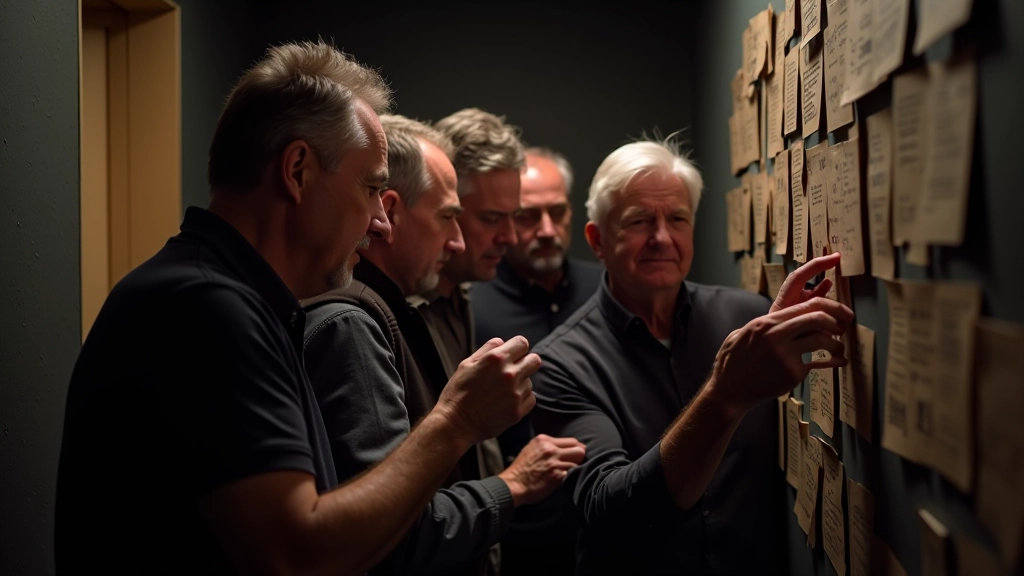
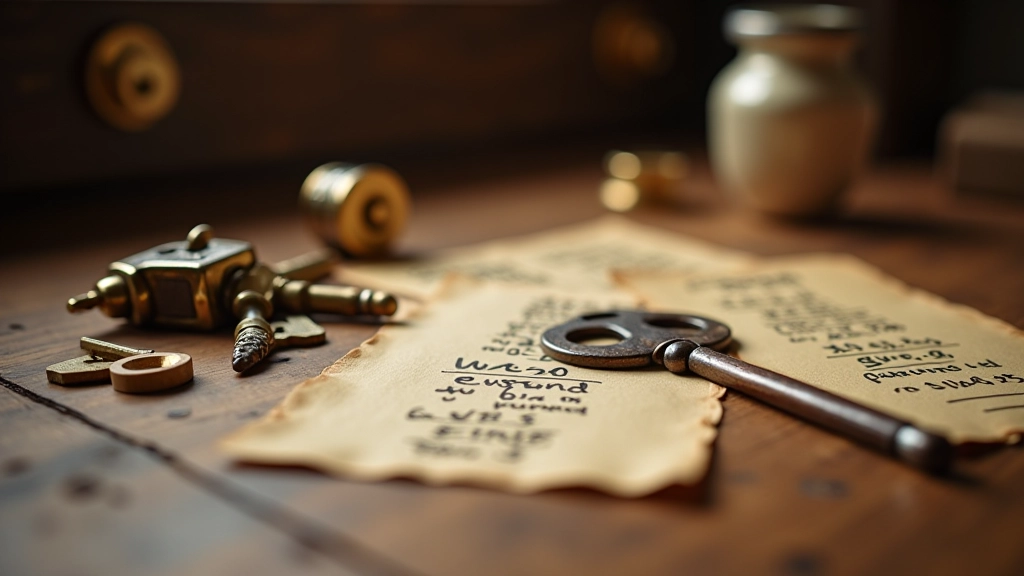
You’ll walk into the room and immediately want to touch everything. That’s expected. You’re looking for clues, hidden objects, anything that feels out of place. You might find a locked box, a note under a chair, numbers on a painting. Everyone’s talking at once, people are opening drawers, someone’s already trying combinations on a lock. This feels frantic but it’s supposed to. You’re gathering information. Write down anything that looks important — a four-digit number on a book spine, a sequence of colors, words that repeat. Jot it all down.
Connecting the Dots (Minutes 15-45)
Now comes the actual puzzle-solving. You’ve got a pile of clues and you need to figure out what they mean. That book spine with numbers might be the code for a lock. Those colors might spell out a location when arranged in the right order. Someone will probably have a breakthrough moment where a puzzle clicks and suddenly three more locks open. There’ll be frustrating moments too — you’ll be stuck on something for 10 minutes and then realize you were overthinking it. That’s completely normal. Most escape rooms are designed so you don’t need to be a genius — you need to observe carefully and think laterally.
The Final Push (Last 15 Minutes)
With 15 minutes left, you’re either close to escaping or you’re completely stuck. If you’re stuck, don’t hesitate to ask the game master for a hint. Most rooms have a hint system — you press a button and they’ll give you a nudge without spoiling the solution. You’ll feel better getting a hint than leaving frustrated. If you’re close, the energy in the room shifts. Everyone’s focused, people are calling out ideas, and there’s this palpable rush when you crack the final puzzle and the exit unlocks.
Why Teamwork Actually Matters
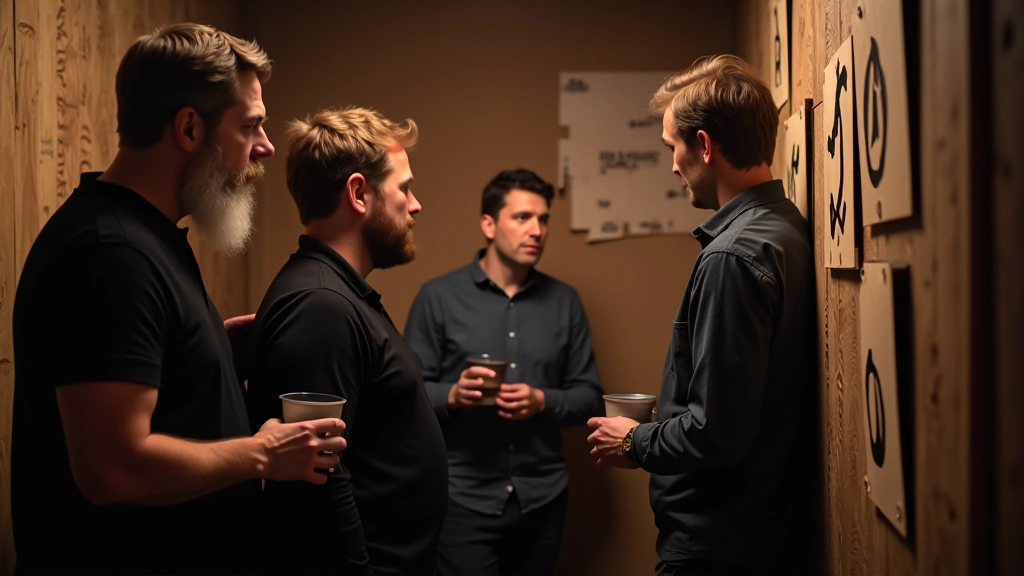
You can’t escape a room alone. Well, technically you could try, but you’ll probably miss things. Escape rooms are deliberately designed to need multiple perspectives. One person notices the hidden key under the rug, another person finds the UV light that reveals invisible writing, a third person realizes that the symbols on five different objects spell out a word when put in order.
Here’s what actually works: assign tasks based on how people naturally work. One person’s good at reading carefully — they can be the “note keeper” writing down all clues. Someone else is observant about details — they can search the room systematically. Another person’s good at lateral thinking — they solve the weird abstract puzzles. You’re not on a team to compete; you’re on a team because the puzzle is too big for one person.
The teams that succeed communicate. When someone finds something, they tell the group. When you’re stuck on a lock, you call out the clue and someone else might see what you missed. The teams that struggle tend to work in silence or have one person dominating the whole experience. Bring your friends or colleagues who you can actually talk to. That’s the real key.
Practical Tips That Actually Work
These aren’t secrets — they’re just smart habits that experienced players use.
Write Everything Down
You’ll find numbers, letters, symbols, colors. Write them all on the notepad you’re given. Don’t rely on memory. When you’re solving puzzles under time pressure, you’ll forget things. Having a written list helps the whole team reference clues without repeating the search.
Look Beyond the Obvious
That painting on the wall might not be decoration. The book on the shelf might have a clue in the title. Light fixtures, vents, picture frames — all potential hiding spots. Escape rooms reward observation. You don’t need to be rough about it; just actually look at things instead of glancing past them.
Divide and Conquer
If there are four corners of the room, don’t have everyone search the same corner. Split up and search systematically. You’ll cover ground faster. Then come together to pool what you’ve found. This works especially well in bigger rooms with more objects to examine.
Say Your Ideas Out Loud
You think you’ve found something? Tell the group. Someone might immediately see what it connects to. You’re stuck on a puzzle? Describe it to others. Often just explaining it to someone else makes the solution obvious. Don’t sit silently struggling.
Don’t Waste Time on Dead Ends
You’ve tried 47 combinations on a lock and none work? Move on. Come back to it later. Often you’re missing a clue that’s elsewhere in the room. Once you find that clue, the lock becomes obvious. Spending 15 minutes on one puzzle when you haven’t even searched half the room is a strategy that fails.
Ask for Hints Early
There’s no shame in hints. You’re not competing for a world record. If you’re 20 minutes in and stuck, ask for a hint. Most game masters would rather nudge you forward than watch you frustrate yourselves. You’ll enjoy the room more if you’re making progress than if you’re stuck the whole time.
Picking the Right Room for Your First Time
Not all escape rooms are created equal. Some are genuinely beginner-friendly. Others are designed to be brutally hard. You don’t want to spend your first experience completely lost. Here’s how to pick wisely.
Check the difficulty rating first. Most rooms are rated on a scale — something like Easy (1-3 stars), Medium (3-5 stars), Hard (5+ stars). For your first time, stick with Easy or lower-Medium difficulty. You’ll still have challenges but you won’t feel defeated. A room rated “Expert Only” with a 20% escape rate? Save that for after you’ve done 3-4 rooms and know what you’re doing.
Read the reviews, specifically ones from first-timers. Sites usually have a section where people mention if they’ve done escape rooms before. Someone saying “We’d never done an escape room and we escaped with 12 minutes left!” is a good sign for beginners. Someone saying “This room is insane, we got one lock open in 45 minutes” is probably not beginner-friendly.
Theme matters less than quality. Pick something that interests your group but don’t choose a room just because the theme is cool if it has bad reviews. A well-designed detective room beats a poorly-designed haunted mansion every time. You’ll be focused on puzzles anyway, not soaking in atmosphere.
Setting Realistic Expectations
Here’s what actually happens for most first-timers.
You Might Not Escape
And that’s completely okay. The average escape rate for first-timers is around 30-40%. You’re not bad at puzzles if you don’t escape. You’re just learning how escape rooms work. The first room teaches you what to look for, how to think, and how the game works. Your second room will be dramatically easier because you’ll know the patterns.
The Hour Goes Fast
You’ll think you’ve been in there 20 minutes and suddenly the game master is saying “15 minutes remaining.” Time moves differently when you’re focused and under time pressure. Don’t be shocked by how quickly it passes.
You’ll Laugh a Lot
Frustration mixed with adrenaline and teamwork creates a lot of laughter. You’ll be amused by how you missed something obvious. You’ll laugh when someone has a silly theory about what a clue means. It’s fun. That’s the whole point.
You’ll Want to Do Another
Almost everyone who tries an escape room wants to try another. You’ll walk out thinking about the puzzles you missed or that one you finally solved. It’s a weirdly addictive activity. We know people who’ve done 30+ rooms. It becomes a thing.
About This Guide
This article is informational and designed to help you prepare for an escape room experience. Escape rooms vary significantly by location, company, and specific room design. Some facilities may have different rules, safety protocols, or accessibility requirements. Always contact your specific escape room venue before your visit to confirm details about duration, difficulty level, group size requirements, and any physical limitations. This guide represents general escape room experiences and shouldn’t be considered applicable to all facilities.